
Blog Posts

Blog Posts

Decoding the Itch: 4 Common Reasons Your Dog is Scratching (And How to Help!)

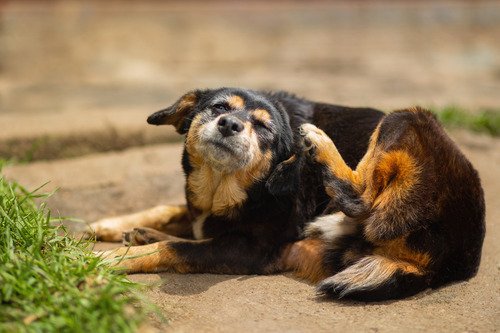
4 Common Reasons Your Dog is Scratching (And How to Help!) It’s a sound every dog parent knows well: the persistent thump-thump-thump of a leg scratching, the jingle of a collar in the middle of the night, the endless licking and chewing. An itchy dog is an uncomfortable dog, and as a pet parent, it’s distressing to watch your best friend suffer. While a little scratch here and there is normal, constant itching is a red flag. It’s your dog’s way of telling you something isn’t right. The first step to providing relief is to understand the root cause. Here are four of the most common culprits behind your dog’s constant scratching. 1. Pesky Parasites Before you look at anything else, rule out ticks and fleas. These pests are a primary cause of intense itchiness. Flea saliva is a major allergen for many dogs, and a single bite can trigger a severe reaction called Flea Allergy Dermatitis (FAD), leading to frantic scratching and biting, especially around the lower back and tail. What to do: 2. Environmental Allergies Just like us, our furry friends can be allergic to things in their environment. In India, common culprits include dust mites, pollen, grass, and mold spores. These allergies, often called atopy, typically cause irritation on the paws, face, belly, and in the ears. If you notice your dog constantly licking or chewing their paws, rubbing their face on the carpet, or getting recurring ear infections, environmental allergies could be to blame. What to do: 3. Dry Skin Dry, flaky, and less-than-supple skin is just as uncomfortable for dogs as it is for us. The cause can sometimes be environmental, such as the dry air in an air-conditioned room. However, it’s often linked to two other factors: 4. Food Sensitivities Sometimes, the problem comes from within. Your dog might be sensitive or allergic to an ingredient in their food, most commonly a specific protein (like chicken or beef) or grain. Along with itching, food sensitivities can sometimes cause digestive issues. Identifying the specific trigger usually requires working with your vet on an elimination diet. How You Can Provide Immediate Relief While you work to identify the specific cause, your top priority is making your dog comfortable. A soothing bath can work wonders to calm inflamed, irritated skin. This is exactly why we created Heartie’s Itch Relief Shampoo. When your dog is suffering, they need immediate comfort, not more harsh chemicals. Our formula is specifically designed to be gentle and calming. It uses the power of natural ingredients to soothe irritation, reduce redness, and gently cleanse the skin without stripping its essential moisture. It’s the perfect, loving solution to help ease the discomfort caused by allergies, dryness, or general skin sensitivity. A few extra tips: Don’t let your best friend suffer in silence. Listen to the language of their scratching and give them the gentle, soothing care they need. Ready to provide your pet with instant comfort? Try Heartie’s Itch Relief Shampoo and let the healing begin. BLOG – 4
Blog Posts

The Tick & Flea Season Is Here: An Indian Pet Parent’s Guide to Prevention

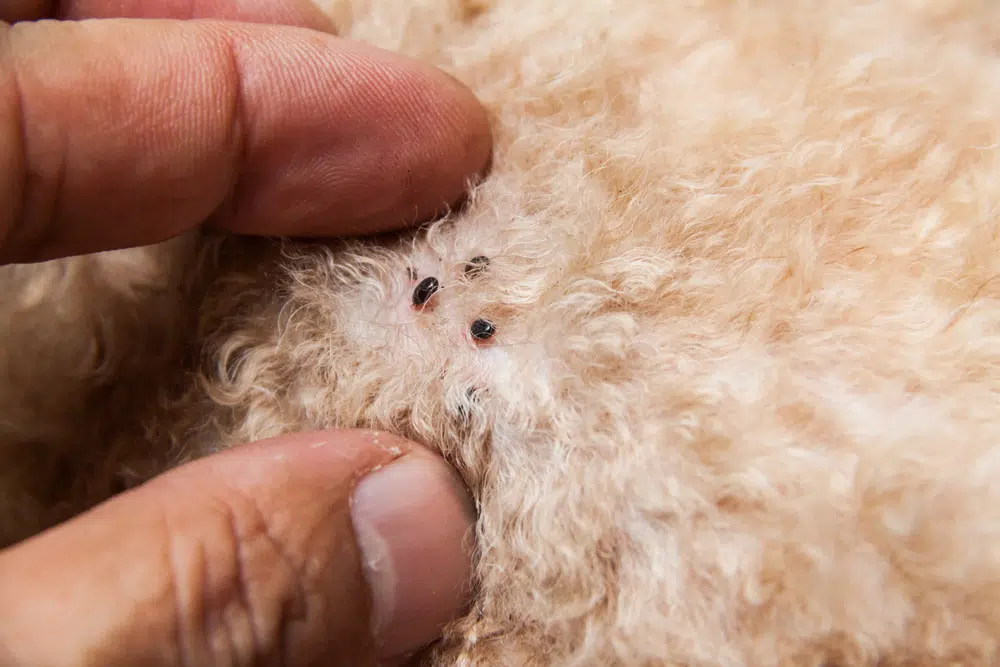
The Tick & Flea Season Is Here: An Indian Pet Parent’s Guide to Prevention For pet parents in India, the battle against ticks and fleas is a year-round concern. These tiny pests aren’t just a nuisance; they are carriers of dangerous diseases that can seriously harm our furry family members. From the dreaded “Tick Fever” to skin infections and allergic reactions, the threat is real. But don’t panic! A proactive and consistent approach can keep your beloved pet safe and comfortable. This guide will walk you through a complete prevention strategy, tailor-made for the Indian environment. Know Your Enemy: More Than Just an Itch Your Action Plan: A Three-Pronged Defence Effective prevention isn’t about a single product; it’s about creating a safe environment. Here’s how you can build a fortress against these pests. 1. Protect Your Pet: The First Line of Defence This is the most critical step. Keeping your pet clean and protected is the foundation of your entire strategy. This is why we developed Heartie’s Tick and Flea Defence Shampoo. We believe that protection shouldn’t come at the cost of your pet’s well-being. Our formula uses the power of natural ingredients to actively repel ticks and fleas while being incredibly gentle and soothing on the skin. It’s the perfect first line of defence in your pet’s grooming arsenal—safe for regular use and effective in keeping pests at bay. 2. Protect Your Home: Eliminate the Breeding Ground If you find one flea on your pet, there are likely dozens more in your home. You must be diligent about keeping your living space clean. 3. Protect Your Surroundings: Secure Your Outdoor Spaces Your pet can pick up ticks and fleas from your own compound or the park. Found a Tick? Here’s How to Remove It Safely Prevention is an Act of Love Keeping your pet free from ticks and fleas requires consistency, but it’s one of the most important things you can do for their health and happiness. By combining regular checks, a clean home, and the right protective products, you can ensure your furry friend stays joyful and itch-free. Ready to make your pet’s bath time a powerful defence against pests? Add Heartie’s Tick and Flea Defence Shampoo to your care routine today. Because your pet is family, and their protection is our priority.

Blog Posts

5 Secrets to a Shinier, Healthier Coat for Your Dog

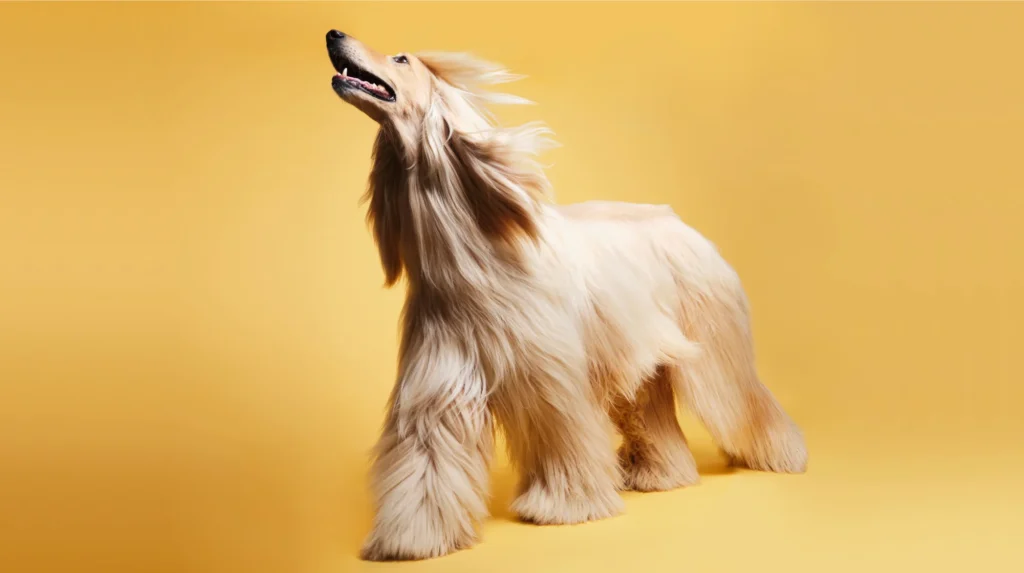
5 Secrets to a Shinier, Healthier Coat for Your Dog Every pet parent loves to see their furry friend with a soft, shiny coat. It’s not just about looking good—a healthy coat is a great indicator of your dog’s overall well-being. But achieving that perfect sheen involves more than just an occasional bath. So, how do you unlock the secret to a truly healthy and radiant coat? It’s a combination of care that goes skin deep. Here are five essential secrets to transform your dog’s coat from dull to dazzling. 1. Nutrition is the Foundation Just like with humans, a healthy exterior starts from within. The nutrients your dog consumes play a critical role in their skin and coat health. A diet lacking in essential fatty acids, vitamins, and minerals can lead to dry, flaky skin and a brittle, lackluster coat. What to look for: A balanced diet is the non-negotiable first step. If you’re unsure about your dog’s nutritional needs, a quick chat with your vet can provide personalized advice. 2. The Power of Regular Brushing Brushing isn’t just for managing shedding—it’s a vital part of coat care. A good brushing session does several things at once: Aim to brush your dog several times a week, using a brush that’s appropriate for their coat type. It’s also a wonderful bonding activity! 3. Choose the Right Shampoo (and Ditch the Harsh Chemicals!) Bath time is crucial, but the products you use can either help or harm. Many generic shampoos are made with harsh chemicals, sulfates, and artificial fragrances that can strip the natural oils from your dog’s skin. This often leads to dryness, irritation, and the very dullness you’re trying to fight. Your dog’s skin is more sensitive than yours, so using a product designed for their specific needs is key. Look for shampoos with natural, gentle ingredients that cleanse effectively without causing harm. This is where a product like Heartie’s Shampoo and Conditioner truly shines. Formulated with natural ingredients, it gently cleanses while nourishing the skin and fur. It avoids the harsh detergents that can cause problems, ensuring that bath time leaves your dog’s coat soft, healthy, and naturally shiny—not stripped and dry. 4. Stay Hydrated It’s a simple tip, but an important one. Dehydration can affect the elasticity of the skin, leading to dryness and a less vibrant coat. Always make sure your dog has access to fresh, clean water throughout the day, especially after exercise and during warmer weather. 5. Regular Health Check-ups Sometimes, a persistent coat issue can be a sign of an underlying health problem, such as allergies, parasites, or a thyroid condition. If you’ve tried everything and your dog’s coat is still looking unhealthy, it’s time for a visit to the vet. They can help diagnose the root cause and ensure your furry friend gets the treatment they need.

Scroll to Top